페이지 정보
Industrial & Mobility Transparent HUD
Industrial & Mobility Transparent HUD Industrial & Mobility Transparent HUD
본문
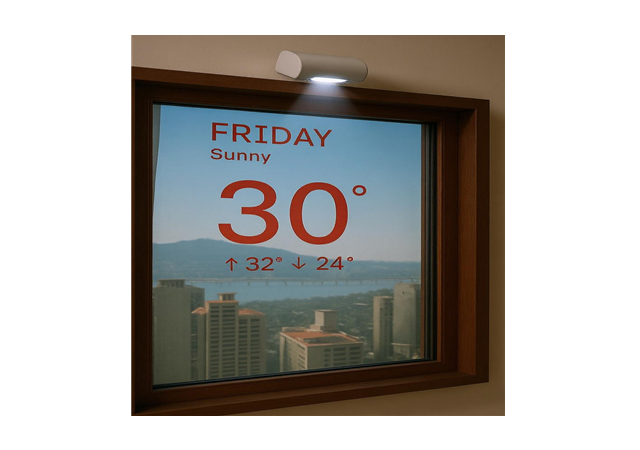
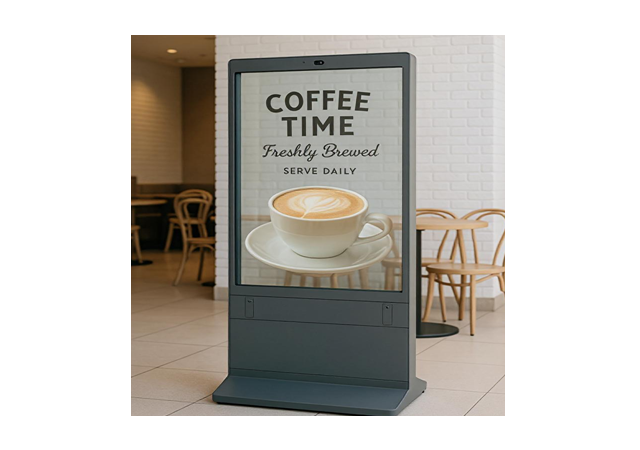
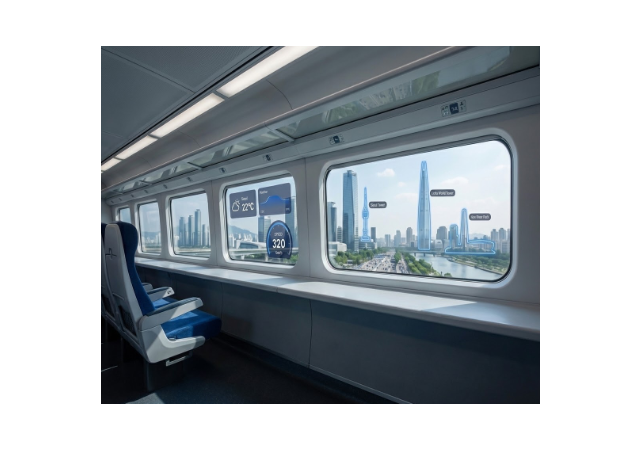
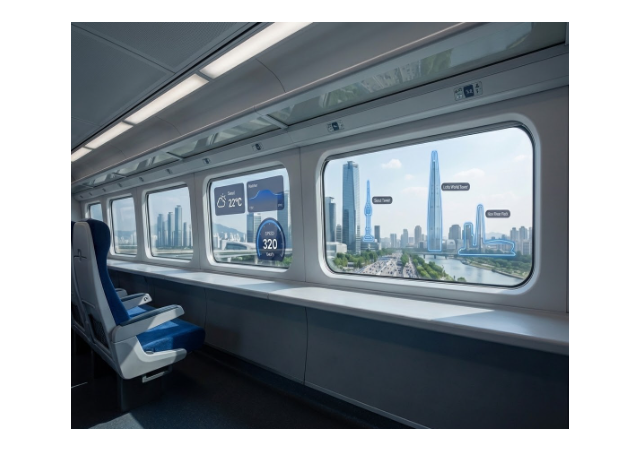
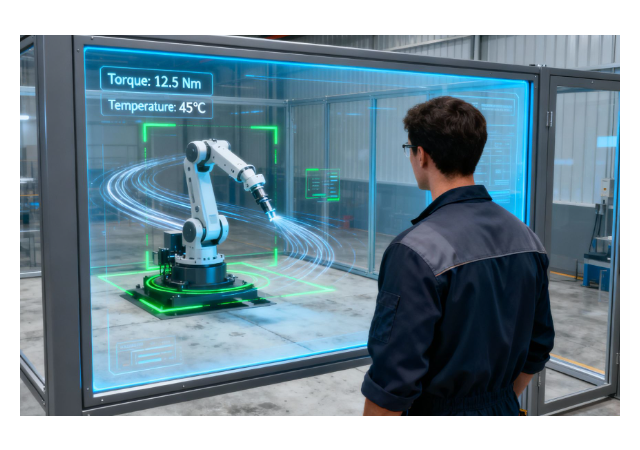
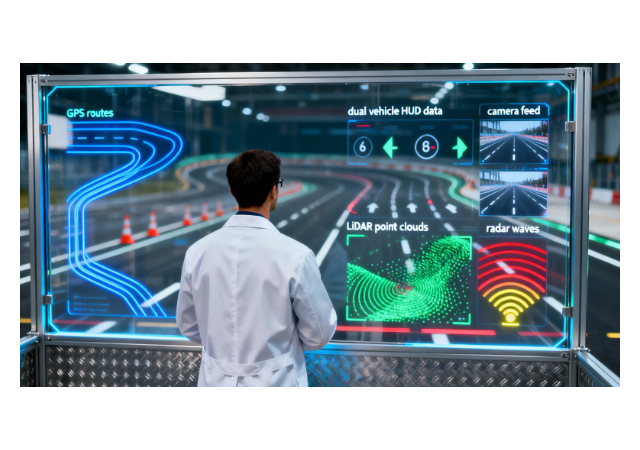
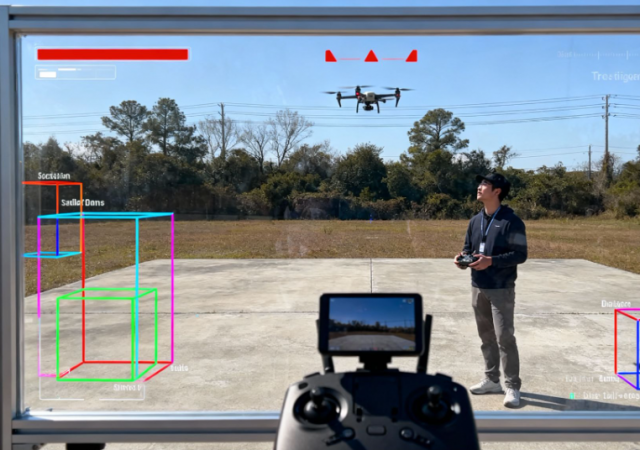
Industrial & Mobility Transparent HUD is a transparent OLED–based display solution that overlays key information directly onto real industrial sites and mobility environments while preserving the operator’s or passenger’s view.
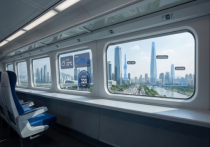
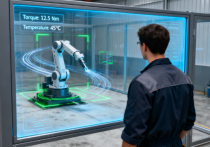
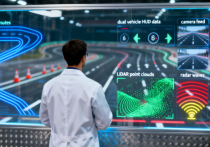
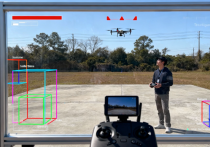
It can present operational data, safety alerts, navigation or route guidance, and contextual messages on top of real equipment, production lines, or windows without blocking the field of view, supporting safer and more efficient decision-making.
Compared with conventional LCD panels that separate information from the actual scene and often obstruct visibility, this transparent HUD harmonizes with its surroundings and delivers space-aware visual guidance right where users are looking.
It is suitable for smart factories, control rooms, commercial vehicles, public transportation hubs, and other industrial or mobility spaces that require continuous monitoring and quick situational awareness.
Optionally, the system can be extended with AI-driven analytics and content personalization to adapt displayed information to different sites, time periods, or user groups, further improving usability and operational efficiency.
It can present operational data, safety alerts, navigation or route guidance, and contextual messages on top of real equipment, production lines, or windows without blocking the field of view, supporting safer and more efficient decision-making.
Compared with conventional LCD panels that separate information from the actual scene and often obstruct visibility, this transparent HUD harmonizes with its surroundings and delivers space-aware visual guidance right where users are looking.
It is suitable for smart factories, control rooms, commercial vehicles, public transportation hubs, and other industrial or mobility spaces that require continuous monitoring and quick situational awareness.
Optionally, the system can be extended with AI-driven analytics and content personalization to adapt displayed information to different sites, time periods, or user groups, further improving usability and operational efficiency.
1. Technological Superiority and Spatial Integration
1. Transparent OLED–Based HUD Platform
Industrial & Mobility Transparent HUD is built on next-generation Transparent OLED (T‑OLED) technology.
T‑OLED’s high clarity and transmittance allow critical information to be overlaid directly onto real machinery, production lines, or vehicle windows without blocking the background view, maximizing harmony with the surrounding space.
2. Space-Aware Information Overlay
Instead of adding a separate opaque monitor in front of the operator, this HUD projects guidance, status, and alerts onto a see‑through surface aligned with the user’s natural line of sight.
This space‑aware overlay minimizes head and eye movement, helping users stay focused on the field while still accessing all necessary information.
3. Optional AI‑Enhanced Information Management
The HUD can be integrated with existing sensors, control systems, or data platforms to visualize process data, equipment status, and route information in real time.
Optionally, the system can be extended with AI‑driven analytics and content personalization to adapt displayed information to different sites, time periods, or user groups.
2. Maximizing UX, Safety, and Operational Efficiency
1. Enhanced Situational Awareness and Safety
By overlaying process values, warnings, and navigation cues directly within the user’s forward view, the HUD significantly improves situational awareness compared with conventional side‑mounted displays.
This reduces the risk of missed alarms or misread indicators and supports safer operation in factories, warehouses, control rooms, and vehicles.
2. From Static Panels to Dynamic, Contextual Guidance
Traditional LCD panels typically show fixed layouts or slowly updated dashboards that are detached from the physical scene.
In contrast, this transparent HUD can present context‑dependent guidance—such as highlighting specific equipment, sections of a production line, or lanes and zones—directly where action is needed.
3. Market Impact and Future Readiness
1. Platform for Smart Industrial and Mobility Spaces
This solution functions not only as a display but as a visualization layer for smart factories, intelligent vehicles, and connected infrastructure.
By turning windows, partitions, and panels into information surfaces, it lays the groundwork for more intuitive human–machine interfaces in industrial and mobility scenarios.
2. Ready for Data‑Driven and AI‑Enhanced Operations
As data volumes and automation levels grow, operators need clearer, more intuitive ways to see what matters in real time.
Industrial & Mobility Transparent HUD is designed to evolve with these needs, supporting integration with analytics and AI modules so that future upgrades can focus on smarter information selection rather than hardware replacement.